
Building a Leadership Culture That Scales
How Beacon helped leaders take more ownership, make clearer decisions, and work better together
“We wanted something that was integrated with where we are as an organization, the work that we're doing, and something that we could build on over the course of time.”
— Christopher Reed, President, Beacon Communities
The Opportunity
Beacon Communities has built a strong culture. People care deeply about the mission, take pride in their work, and step in to help each other get things done. Beacon has also invested in defining its values and the kind of workplace it wants to create.
When organizations grow like Beacon, some of the ways of working that had served the organization well became harder to scale and sustain. When Beacon was smaller, people could rely on knowing the context, helping across teams, and doing whatever it took to get the work done. In a larger organization, collaboration becomes more difficult.
As Beacon grew, its leaders saw an opportunity to make the way work got done more explicit. When work was busy or priorities competed, leaders sometimes took on more themselves rather than naming tradeoffs. Agreements, decision ownership, and cross-functional responsibilities that had once been handled informally now needed greater clarity. And leaders saw an opportunity to resolve more issues closer to the work rather than relying on senior leaders to step in.
These patterns weren’t signs that people didn’t care. In many cases, they came from the opposite place. Beacon leaders wanted to help, protect their teams, and keep the work moving. But as the organization grew, relying on individual effort and informal ways of working made it harder to see who owned a decision, what people had truly agreed to, and which problems leaders could solve themselves.
Beacon’s leaders saw what the next stage required: keeping the care, teamwork, and commitment that made the culture strong while becoming clearer about how work got done.
Tim Sullivan, COO of Beacon Communities, saw leadership development as an important part of that shift.
“We wanted to…enable and empower our broader management group to be more effective and efficient.”
Building Leadership the Beacon Way
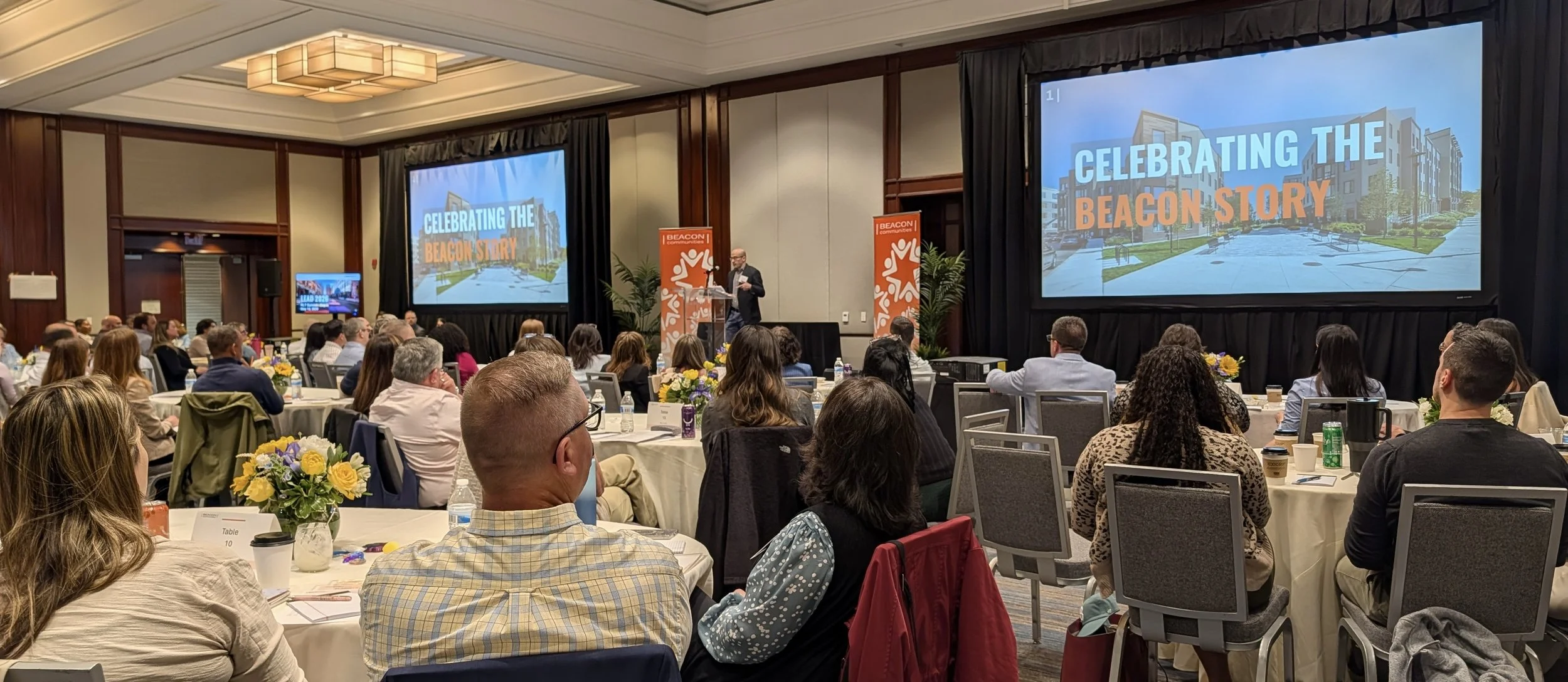
The work began with plans for a two-day leadership summit for all leaders. Regroup was first brought in to lead one day, but as Beacon and Regroup began planning together, the opportunity became bigger. Beacon could use the summit to create a shared way of leading across the organization.
Beacon didn’t want an outside leadership program that felt separate from its culture. The experience needed to sound like Beacon, build on the work the organization had already done, and address the real challenges its leaders faced. Regroup brought expertise in leadership development and behavior change, while Beacon brought its mission, values, culture, and knowledge of its people.
That partnership was important to Beacon. Alessandra de Vaca, Head of People at Beacon Communities, saw a clear difference in Regroup’s approach:
“There’s something about the straightforwardness of Regroup’s approach that is very different from a lot of other firms out there. It’s knowledge and expertise without all the packaging. They work to understand who the organization is before making suggestions. They’re very straightforward and kept us on track: Here’s where we’re going, here’s how we’re going to get there, and here’s what comes next.”
Regroup took time to understand how Beacon worked and where its leaders were getting stuck. Together, Beacon and Regroup turned those challenges into a small set of practical leadership principles:
prioritize explicitly
honor commitments with clear agreements
clarify decision ownership
engage peers directly
As Christopher Reed, President, explained:
“They’re something leaders can return to when situations become difficult.”
Beacon leaders also played an active role in shaping and leading the experience. That helped the leadership summit feel less like a training program being delivered to Beacon and more like Beacon defining how it wanted leaders to lead.
As Tim Sullivan, COO, put it:
“It was important for people to own it more than an outside person who was just pushing it out. Regroup did the leg work to make it feel like ours.”
Beacon also knew that a two-day summit wouldn’t be enough to create lasting change. After the two-day event, leaders moved into small peer groups that met each month for nine months. These groups gave leaders a place to bring real challenges, practice the skills, and help hold each other accountable.
A New Way of Leading Starts to Take Hold
Months after the summit, leaders were still using the shared language around priorities, commitments, peer conversations, and decision ownership. That made it easier to name things that might otherwise stay unspoken: Who owns this decision? What are we actually committing to? Which priority comes first?
The change was also showing up at the executive level. Christopher and Tim noticed that decisions could still come to them simply because they were senior leaders.
Instead of automatically stepping in, they began asking each other:
“Does this really belong with us, or should we put it in their hands?”
Christopher noted that this wasn’t a question they would have often asked each other before the engagement with Regroup.
For Tim, the connection to organizational effectiveness was clear:
“When you’re making all the decisions at the top, it’s slower. And I think you’re probably making worse decisions. I think you’re training people really badly to understand what’s a big deal and what’s a small deal.”
Beacon’s goal wasn’t to push every decision down. It was to help leaders understand which decisions they could make, which problems they could solve, and when something truly needed to move up.
Putting the Principles Into Practice
One everyday conflict showed what this new way of leading could look like.
Two senior leaders who were good colleagues but had reached a point of friction around competing priorities. The issue moved up through both sides of the organization. In the past, the executive leaders might have stepped in to settle the disagreement.
This time, Christopher returned to one of the new leadership principles: Engage Peers Directly. Rather than solving the issue for these leaders, he encouraged them to work through it with each other.
“I don’t see anything about this situation that would preclude them from needing to address this with one another and figure this out.”
— Christopher Reed, President
Instead of taking ownership away from the leaders involved, Beacon’s executives created space for them to own the problem, find a way forward together, and build the skills to handle the next difficult situation themselves.
Making the Change Stick
Beacon didn’t want people to leave the summit inspired and then return to their old habits. The real test was whether leaders would use what they learned once they were back at work.
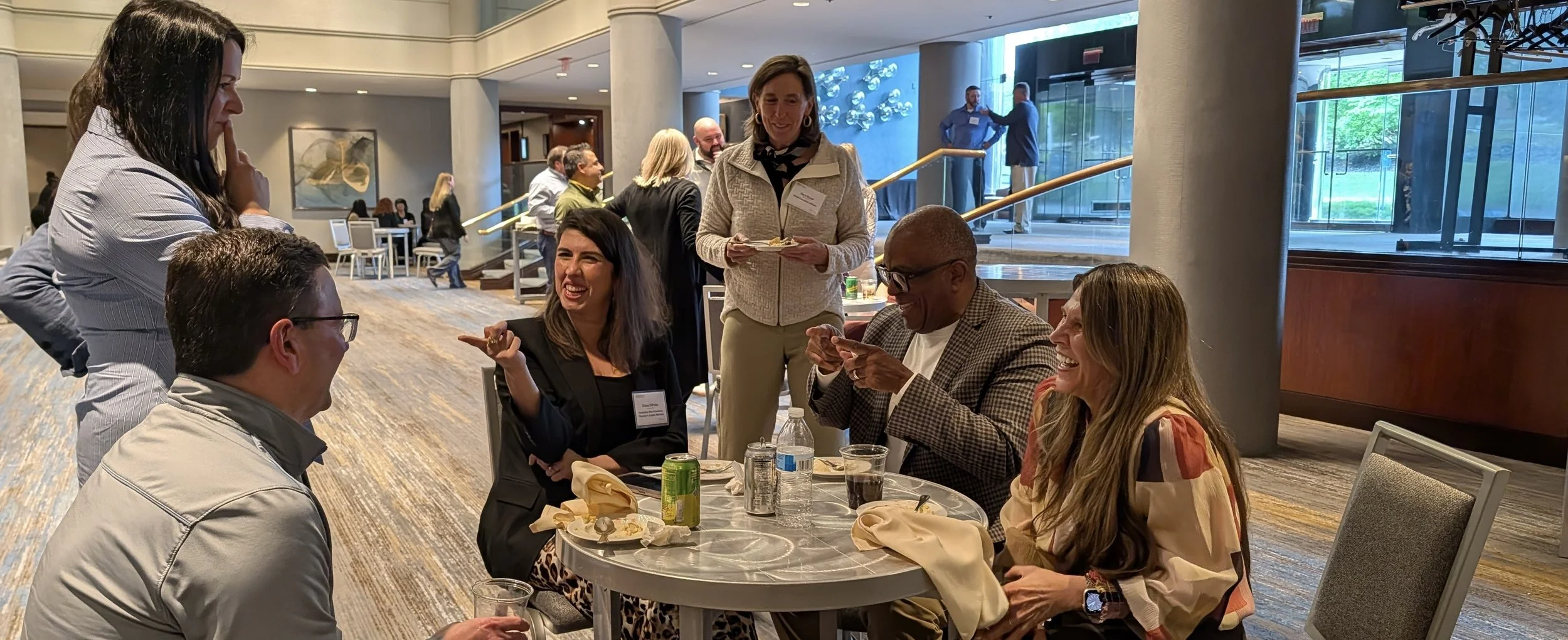
Months later, leaders were still using the language in meetings, coaching conversations, and decisions. Senior leaders were using the ideas to check their own habits. Peer groups continued meeting each month, and Tim and Christopher participated in a peer group themselves.
Tim said the peer groups helped the work “live longer than it would have on its own.”
The early results can be seen in everyday work: clearer conversations about priorities and commitments, more thought about who should own a decision, and more issues being worked through directly instead of automatically moving up the organization.
Building What’s Next
Beacon's experience shows that as an organization grows, some ways of working need to become more explicit. The summit gave leaders a shared language and way of leading, while the peer groups are helping turn those ideas into everyday habits.
Beacon's approach reflects the same mindset that has helped the organization grow: protect what works, be willing to evolve what needs to change, and invest in people for the long term.
The work is still going, and Beacon sees that as a strength.
“This addressed a real hunger that people had, but they are still hungry. We’re planning to do something similar next year to continue the development.”
— Tim Sullivan, COO
Beacon understands that building stronger leaders happens over time. This enables the organization to keep growing without losing the care, teamwork, and commitment that made its culture strong in the first place.
What Could This Look Like in Your Organization?
As organizations grow, the ways of working that once helped them succeed can become harder to sustain. Leaders take on too much themselves. Priorities and tradeoffs aren't always clear. Decisions get pushed up when they could be made closer to the work. And when teams have competing needs, issues can escalate instead of being worked through directly.
These challenges don't usually mean people aren't capable or committed. Often, the organization has simply outgrown the informal ways of working that used to get the job done.
Regroup helps organizations make that shift. We work with you to understand where leaders are getting stuck, identify the few leadership behaviors that will make the biggest difference, and build the skills, clarity, and accountability to put them into practice.
The goal isn't another leadership program. It's stronger leaders who take ownership, make clearer decisions, and work better across teams.
If these challenges sound familiar, we'd love to talk about what stronger leadership could look like in your organization. Book a free consultation here.